
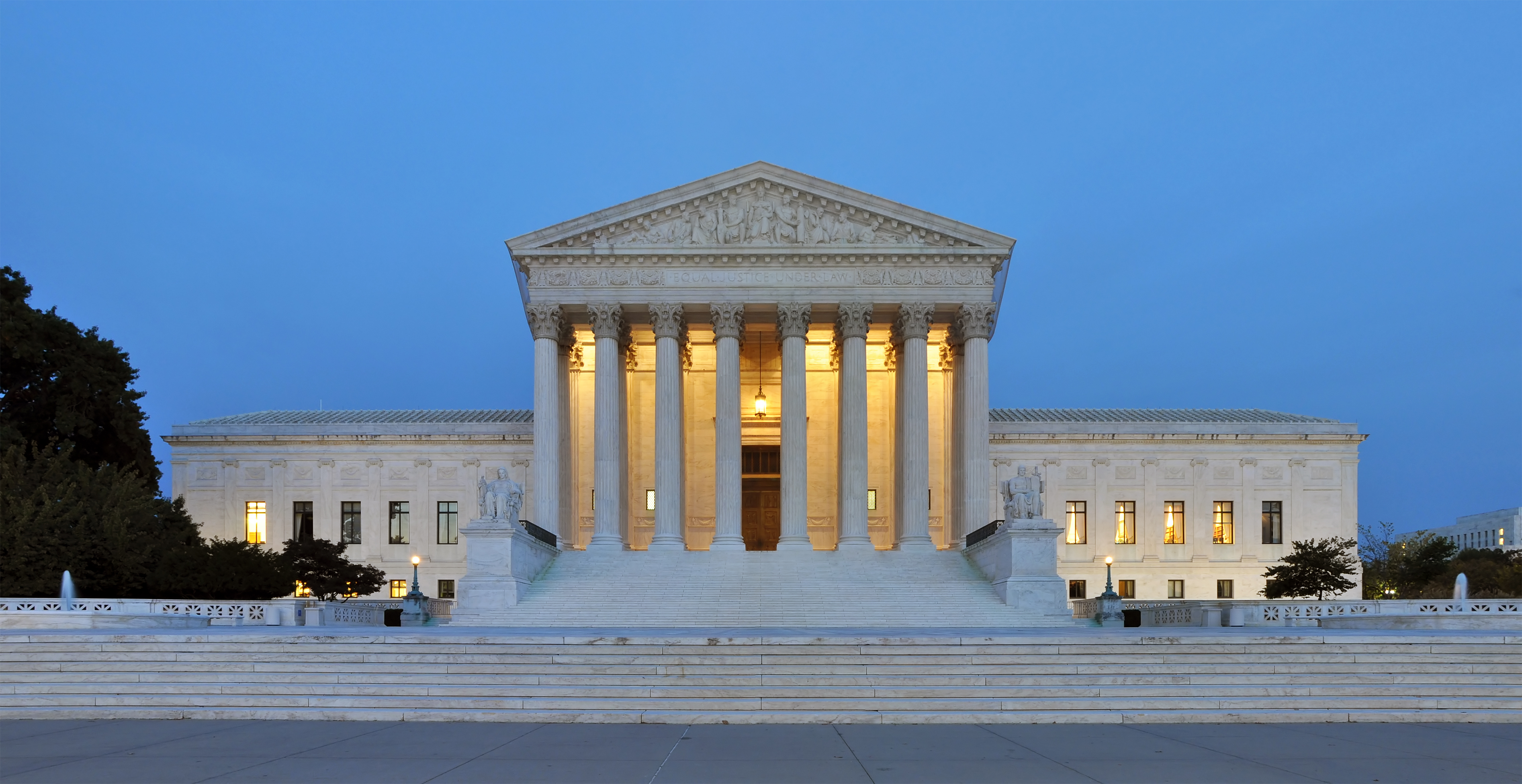
States pour enormous sums into public schools, but a Supreme Court ruling from 1982 sharply limits how states can respond when those dollars are used to educate children of people in the country unlawfully. That tension is now back in the spotlight, with Tennessee pushing toward a fresh test of Plyler v. Doe.
In Plyler v. Doe (1982), a 5-4 Court compelled state officials to provide free public education to children of illegal immigrants. Critics of the decision argue it functions as a federal directive that forces state and local budgets to absorb costs tied to federal border failures.
The case began in Texas, but it never stayed there. The ruling set a nationwide rule, and opponents say it leaves legislatures with few practical options beyond paying the bill and hoping Washington changes course.
Join the Discussion
Tennessee’s bill
Tennessee lawmakers are pressing into that barrier. On March 10, House Bill 793 advanced out of a full committee with a 15-9 vote, divided mostly along party lines. Republicans supported it and all seven Democrats opposed it. The bill is scheduled for a House floor hearing on March 16.
As amended in the House, the measure requires public and charter school officials to verify a student’s immigration status at enrollment and report the aggregate results to the state. Earlier drafts went further, allowing school officials to deny enrollment to students who could not prove lawful presence or to charge their families tuition. That provision remains in the Senate version, which passed 19 to 13, but opponents later stripped it out of the House proposal.
Supporters of a stronger approach call the House version the floor, not the finish line. Verification and reporting can quantify the issue, they argue, but they do not stop taxpayer dollars from subsidizing the education itself.
Funding pressure
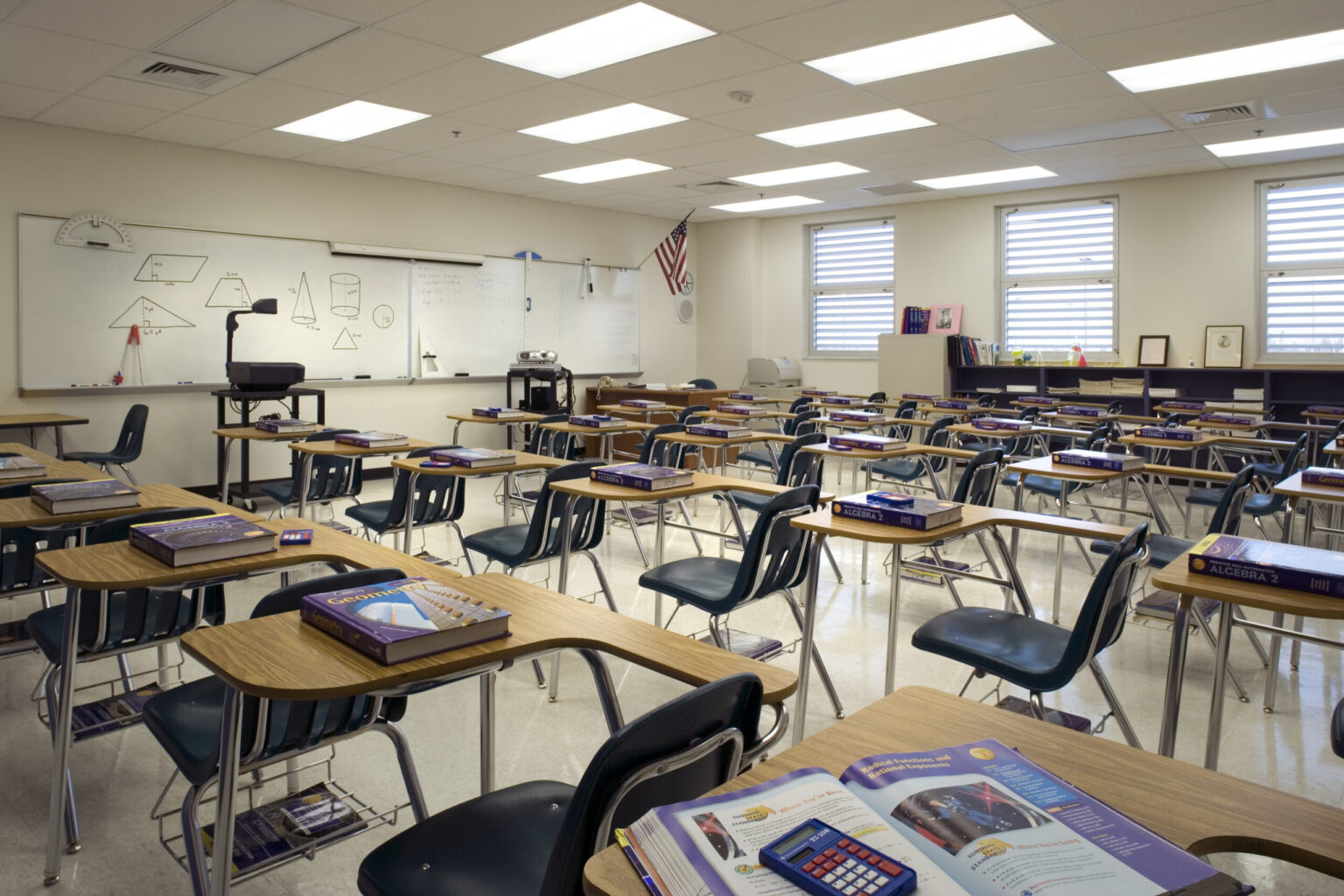
In Tennessee, as in many states, per-student allocations drive district budgets. When enrollment rises, funding rises, regardless of immigration status. Critics of the status quo say that creates a built-in financial pull toward higher headcounts even when schools are already strained for space, staff, and support services.
That is why supporters of tougher legislation argue the only meaningful fix is straightforward: prohibit public schools from using any tax dollars to educate those unlawfully present. They contend a ban would redirect resources to lawful residents and citizens, allowing per-student funding to rise for eligible children without requiring tax increases.
The same argument is made at the property-tax level. Property taxes predominantly finance public education systems and create constant upward pressure on homeowners when spending expands. Advocates say excluding illegal immigrants from taxpayer-funded schooling could ease that pressure, stabilizing or even reducing property tax rates while improving services for legal enrollees.
Unions and court
This dispute is not only about doctrine. It is also about who benefits under current incentives.
Backers of HB 793 urge lawmakers to welcome a courtroom fight, especially if teachers’ unions step in to defend existing rules. Supporters claim unions benefit in two ways from illegal immigrant enrollment: larger per-student funding tied to higher headcounts, plus supplemental allocations for English as a Second Language (ESL) programs.
They also point to a strategic reality: union leaders and other defenders of Plyler may be reluctant to drive a direct Supreme Court showdown, given the possibility that the current Court could narrow or overturn the precedent. Supporters argue that if Tennessee wins, the result could ripple nationwide by encouraging similar reforms in other states.
Beyond Tennessee
Tennessee is not alone. Since early 2025, lawmakers in Oklahoma, Texas, Idaho, Indiana and New Jersey have pursued measures meant to contest Plyler v. Doe, ranging from immigration-status data collection to tuition requirements. The shared premise is that unchecked illegal immigration burdens public systems, from schools to hospitals.
Texas carries special significance because it is where Plyler originated. Republican Gov. Greg Abbott has long advocated revisiting the decision, citing what he describes as an unsustainable fiscal strain on local districts. Oklahoma’s proposals mandate proof of status for enrollment. Idaho and Indiana saw bills advance through committees before stalling. Even in blue-leaning New Jersey, lawmakers introduced the “PLYLER Act” to impose tuition on undocumented students.
Costs and compassion
Opponents of these efforts often invoke compassion, arguing that denying education harms children who did not choose their circumstances. Supporters counter that the deeper harm comes from policies that, in their view, encourage illegal entry by promising free services, reinforcing dependency while draining resources intended for legal residents.
States like Tennessee invest billions in public education to foster opportunity. Supporters of revisiting Plyler argue that promise erodes when funds are spread thinner to accommodate those outside the legal framework.
Classroom strain
The fiscal implications demand attention. Nationwide, educating illegal immigrant students costs billions annually, with estimates varying by state but consistently pointing to a disproportionate load on taxpayers.
Supporters point to on-the-ground strain: crowded classrooms, increased demand for ESL teachers, and higher administrative costs. They argue that excluding these students from taxpayer funding would free resources for class size reductions, teacher salary increases, and program enhancements for lawful enrollees. They also argue that property owners, weary of annual tax hikes tied to expanding enrollments, would finally see relief.
Why Plyler
Everything comes back to Plyler v. Doe, the 1982 decision that compels states to provide free public education to children of illegal immigrants. Critics say the Court imposed an unwarranted federal obligation on states to divert scarce resources toward entitlements for those without legal status. They also emphasize that it was a 5-4 decision by a less conservative court than today.
From that standpoint, education policy and the allocation of limited funds should be decided by state legislatures, not imposed by judges. Supporters of a challenge argue states have the sovereign right to prioritize citizens and legal residents, particularly after what they describe as a spectacular failure of federal immigration enforcement under the previous presidential administration.
Public opinion is also part of the push. A Phi Delta Kappa International/Gallup poll found that 55% of Americans oppose using taxpayer dollars to educate children of illegal immigrants, including 81% of Republicans.
If the Court takes it
For supporters, the durable solution is to revisit the precedent itself. As they frame it, data collection can document the costs, but it cannot remove the mandate that drives them.
Tennessee’s HB 793, though imperfect, is presented as a vehicle for confrontation. Supporters want lawmakers to restore the stronger version that bans tax-funded education for illegal immigrants outright and then defend it in court. They argue this would safeguard taxpayer dollars and deter future illegal entry by removing a key incentive tied to guaranteed public services.
The conclusion is blunt: the Supreme Court should overturn Plyler v. Doe and return education spending decisions to state legislatures.